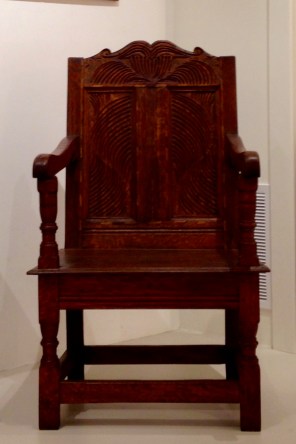
The “Lincoln Chair” has returned to Hingham after a sojourn in the Arts of the Americas wing of the Museum of Fine Arts, Boston.
Tradition holds that this joined armchair, made of red oak with walnut inlays, belonged to Thomas Lincoln “the cooper,” one of Hingham’s original settlers. It was long thought to have been constructed in England, but microanalysis of the wood in the early 2000s revealed that the chair was made in North America. This information makes the chair even more of a rarity than formerly believed, as only about two dozen examples of 17th century New England joined chairs exist.
Of a type often called a “wainscot” chair, the Lincoln Chair has a plank seat and carved panel back. The series of elongated S- and reverse S-curves are thought to have been inspired by classical design.
The chair descended in the Lincoln family until 1914. In 1908, as the Town’s 275thanniversary approached, a national campaign was launched to raise funds for a bell tower in memory of Hingham’s first settlers. When the Memorial Bell Tower was dedicated in November 1912, an interior chamber, the “Peter Hobart Room,” was created and furnished with furniture and artifacts from mid-17thcentury England. Hingham’s Lincoln family donated the chair to the Memorial Bell Tower to furnish the Peter Hobart Room.
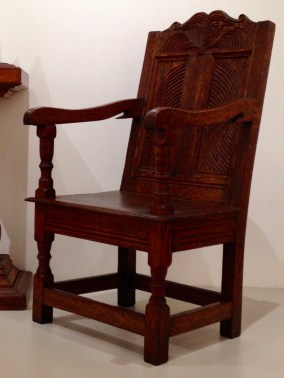 The chair was moved into Old Ship Church in 1933 and remained there until 2008, when it was loaned to the Museum of Fine Arts for display with other First Period furniture.
But now, the Lincoln Chair has returned home to Hingham. We are grateful to the Town of Hingham and Hingham’s First Parish for their stewardship of the chair over many years and for their decision to loan the Chair to the Society for display at the Hingham Heritage Museum.
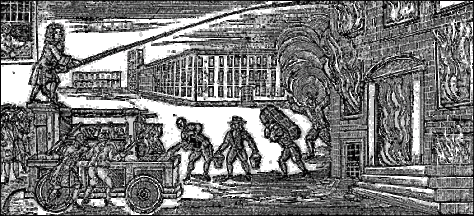
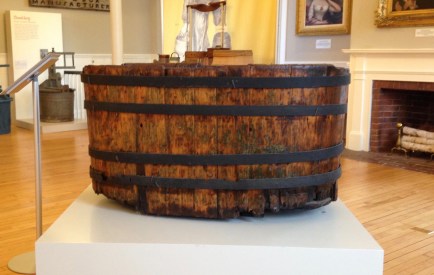 This wooden tub is from the Little Plain Engine, No. 1, nicknamed the “Precedent” because it was the first of what would ultimately be four such engines to be completed. It was manufactured by local craftsmen: Peter Sprague made the tub from cedar furnished by Thomas Fearing. The ironwork was by the local firm of Stephenson and Thomas.
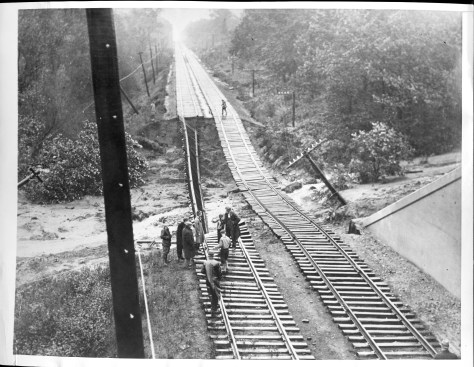 On September 18, 1933, under the headline, “Railroad Tracks Washed Out During Storm Last Sunday,” the
 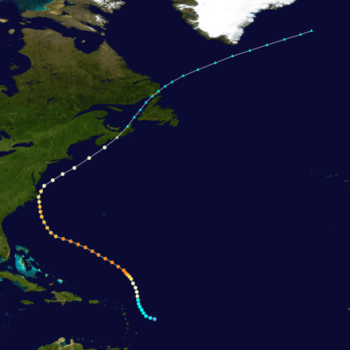 The storm that took out the railroad embankment is not as locally famous as the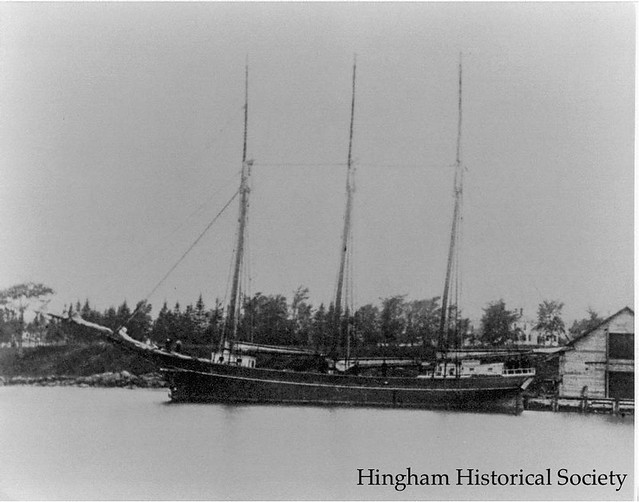

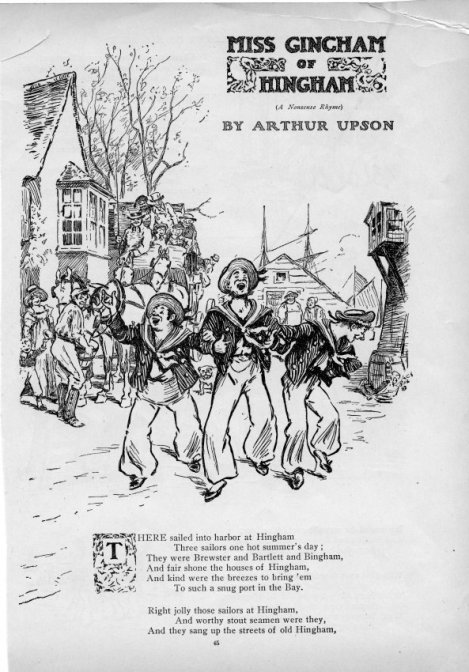
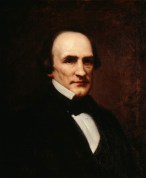 On August 14, 1862,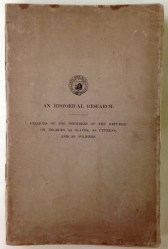
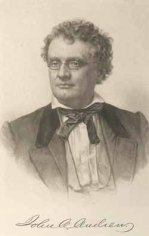 Although Lincoln disappointed Sumner by moving deliberately toward introducing uniformed black soldiers into the Union Army, his administration responded positively when, in January 1863, Massachusetts’ abolitionist war Governor, Hingham’s own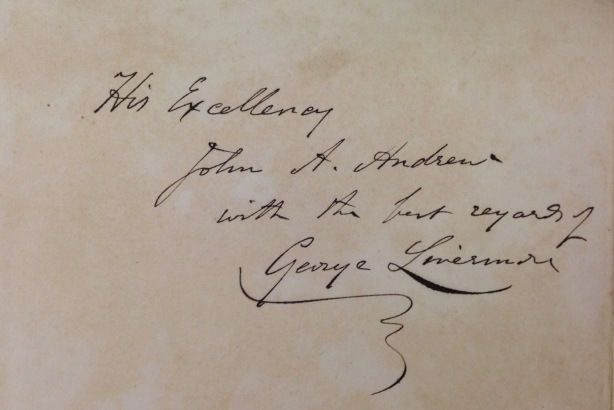


 Out of the Archives