The Old Ordinary, our 1688 house museum, opens on June 13, 2017 and, for a second season, you can come see our Old Ordinary Summer Exhibit, “Isaac Sprague and American Botany.” While the exhibit devotes significant attention to Isaac Sprague’s Hingham roots and continuing connections with our town, it also addresses his prolific career as a botanical illustrator which is the source of his lasting fame.
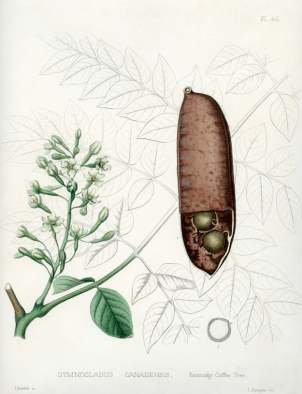 In the 1840s Sprague left Hingham and moved to Cambridge, where he worked with influential botanists, including John Torrey (1796-1873) and Torrey’s pupil, Harvard professor Asa Gray (1810-1888), who is often referred to as a “father of American botany.” In the mid-19th century, American botany was undergoing a period of intense growth and development into an academic discipline seeking a unified understanding of North American plant life that would match the highest standards of then-current European scholarship and complexity. An important part of this process was the publication of complete and authoritative works describing the plant life of this continent—with clear, detailed, and accurate illustrations. Sprague’s talents were ideal for the task.
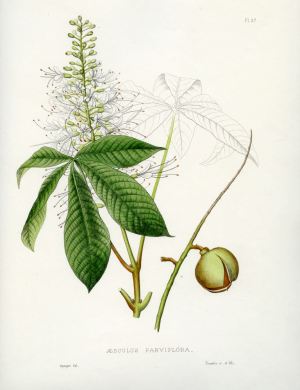 Sprague first produced the illustrations for Asa Gray’s 1845 Lowell lectures at Harvard and then assisted with several comprehensive botanical volumes over the course of the 1840s and 1850s. His illustrations were scientific tools first and aesthetic objects second: Sprague considered himself to be a naturalist or delineator rather than describing himself as an artist. In the preface to his 1848 work Genera of the Plants of the United States, Professor Gray described “the scientific insight and careful investigations of Mr. Sprague, as well as . . . his skill and accuracy in delineation.” In his private correspondence, he reported that Sprague was studying botany and the natural sciences, underscoring the technical knowledge the work required.
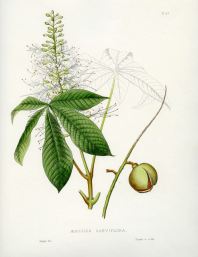
Sprague contributed plates and engravings to over 40 works of botanical, horticultural and naturalist interest over this part of his career. The writers with whom he worked included not only Torrey and Asa Gray but also William Oakes (1799-1848), George Emerson (1797-1881), George Goodale (1839-1923), and others. (The illustrations in this blog post are plates from George Emerson’s 1838 Trees and Shrubs of New England.)


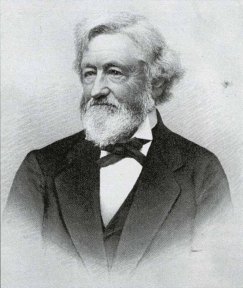 His son,
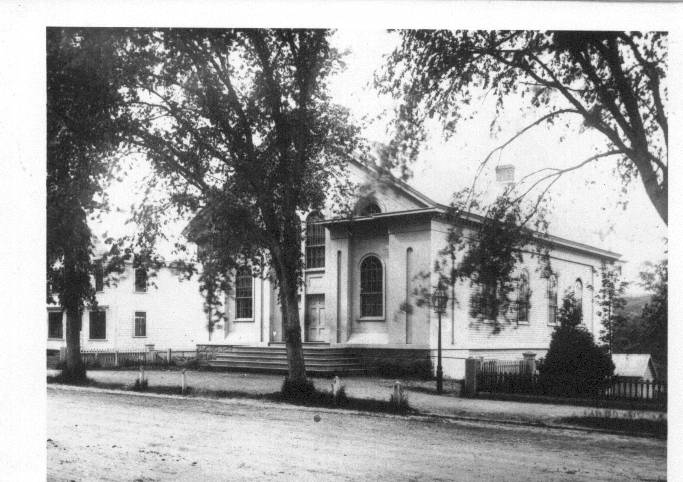
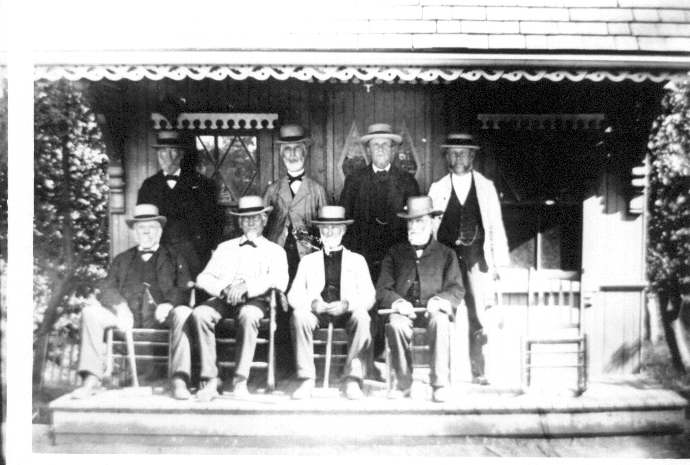
 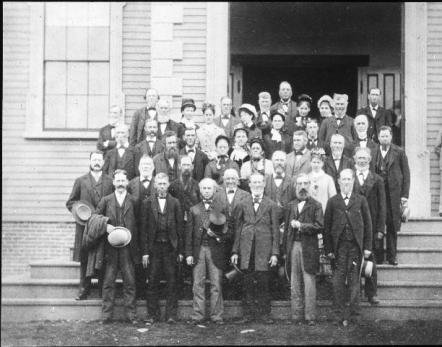 The Hingham Agricultural and Horticultural Society, founded in 1869, was also comprised of local men and women, many of whom were involved in industry, trade, and commerce. (Here, they pose for a formal portrait in front of Hingham’s Agricultural Hall in the late 1880s or early 1890s.) As a society, they were earnestly dedicated to scientific farming, that is, using the progressive values of the 19th century and the power of new knowledge and industrial technology to “improve” agriculture along “modern” lines. At the agricultural fair each fall, prizes offered in different categories attracted many entrants. One could win a medal or ribbon—and an accompanying cash prize–for anything from crops and livestock to flowers and preserves.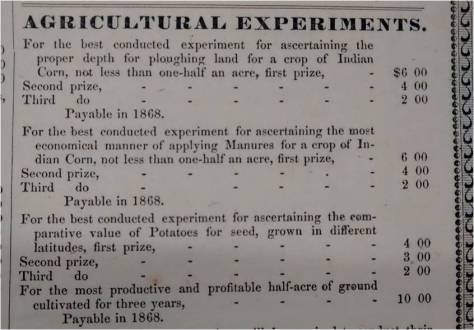
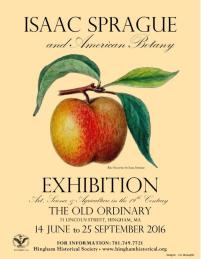 A new exhibit opened today at our 1688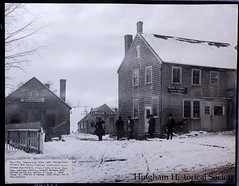
 After his trip west Sprague returned briefly to the South Shore, working as a clerk in a Nantasket Beach hotel until, the following year, he started to work as an illustrator for prominent American botanist

 Out of the Archives